
How Sustainable Packaging is Shaping the Future of Food Industry
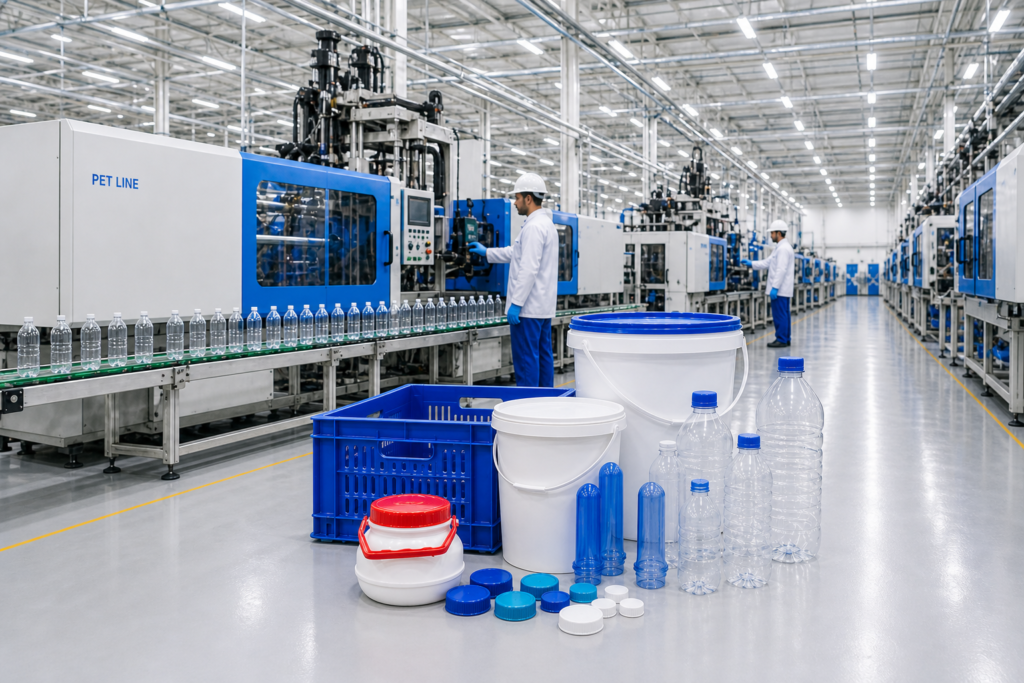
How Sustainable Packaging is Shaping the Future of Food Industry Introduction: As the global food industry evolves, sustainability has become a key focus for businesses and consumers alike. Packaging plays a crucial role in reducing environmental impact while maintaining product safety and quality. Why Sustainability Matters in Packaging: Traditional packaging methods often contribute to waste and environmental damage. Modern businesses are now shifting toward reusable, recyclable, and long-lasting packaging solutions to reduce their carbon footprint. Role of Reusable Plastic Packaging: High-quality plastic crates, containers, and bottles are designed for repeated use, making them a sustainable alternative to single-use packaging. Their durability reduces the need for frequent replacements, minimizing waste. Balancing Sustainability and Performance: Sustainable packaging should not compromise on strength or hygiene. Food-grade plastic solutions offer the perfect balance—ensuring safety, durability, and environmental responsibility. Future of Food Packaging: With growing awareness and stricter regulations, the demand for sustainable packaging will continue to rise. Businesses that adopt eco-friendly practices today will gain a competitive advantage in the future. Conclusion: Sustainable packaging is not just a trend—it’s the future. By investing in durable and reusable packaging solutions, companies can protect both their products and the environment.
The Role of Plastic Crates in Modern Food Logistics
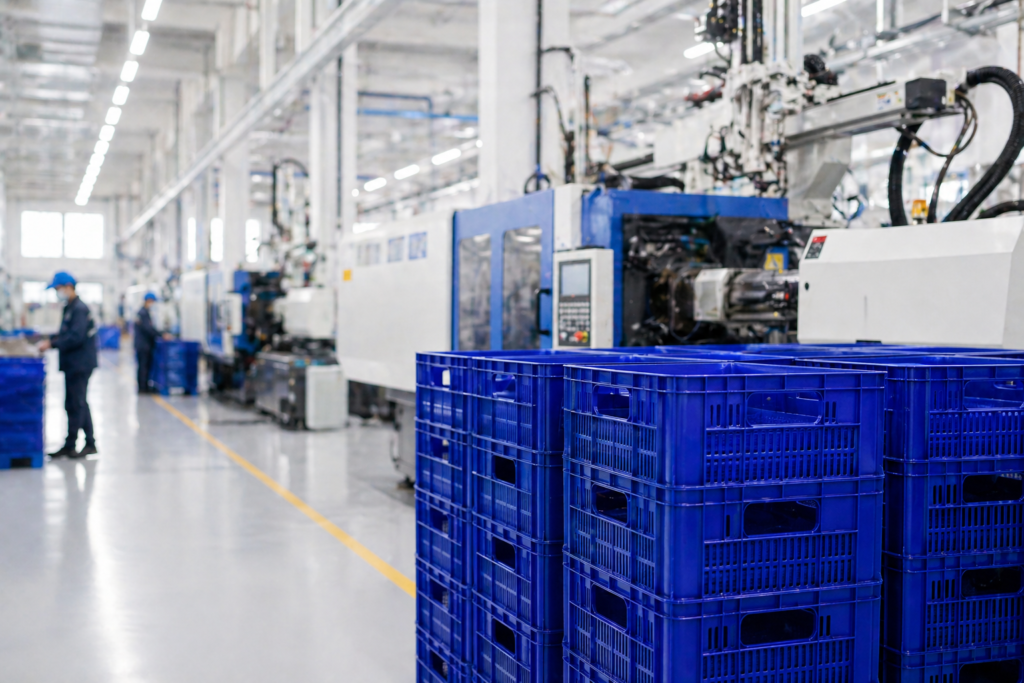
The Role of Plastic Crates in Modern Food Logistics Introduction: Efficient logistics is the backbone of the food industry, and plastic crates play a vital role in ensuring smooth operations. They are widely used for storage, handling, and transportation of food products. Why Plastic Crates Are Essential: Plastic crates are strong, reusable, and designed for heavy-duty use. They provide excellent ventilation, making them ideal for transporting perishable goods like fruits, vegetables, and dairy products. Benefits of Using Plastic Crates: Improved product safety during transport Easy stacking and space optimization Reduced product damage Long-lasting and cost-effective Sustainability Advantage: Reusable plastic crates reduce waste compared to single-use packaging. This makes them an environmentally responsible choice for modern businesses. Conclusion: Plastic crates are a smart investment for any food business. They enhance efficiency, reduce losses, and support sustainable logistics practices.
Choosing the Right Packaging for Dairy Products
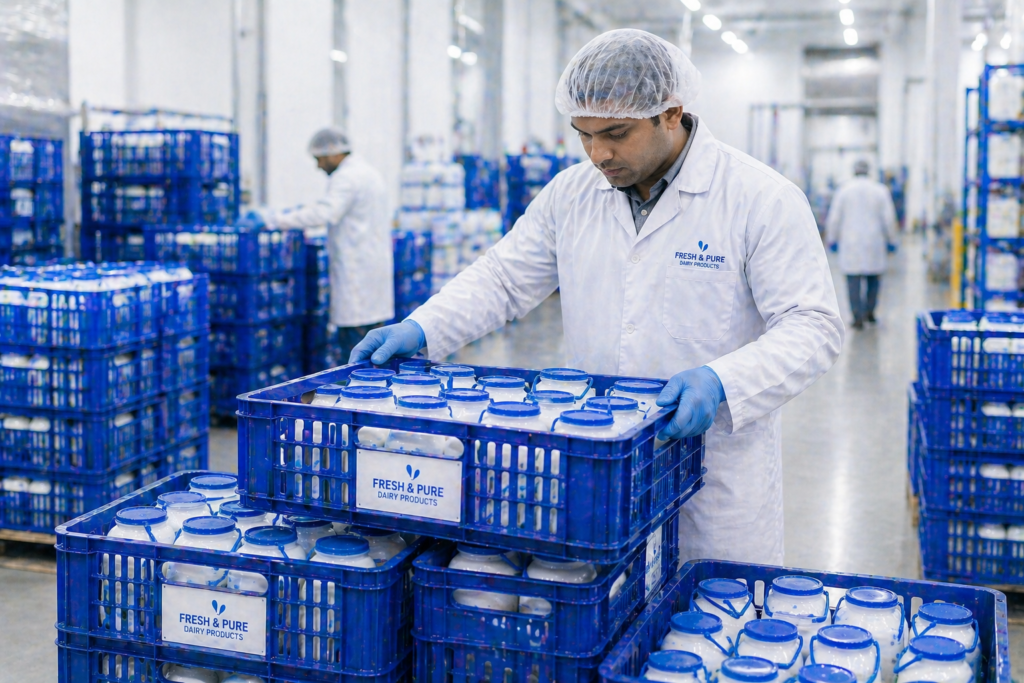
Choosing the Right Packaging for Dairy Products Introduction: Dairy products require specialized packaging solutions to maintain freshness, hygiene, and quality. From milk to curd and ghee, selecting the right packaging is essential for preserving taste and safety. Key Requirements for Dairy Packaging: Dairy packaging must be food-grade, durable, and resistant to temperature changes. It should also allow easy handling and storage without compromising product integrity. Best Packaging Solutions: Plastic crates are ideal for transporting milk packets and bottles, while food-grade buckets are suitable for storing semi-solid products like curd and ghee. PET bottles are widely used for liquid dairy products due to their clarity and strength. Efficiency in Logistics: Stackable and lightweight packaging helps optimize storage space and transportation efficiency. This reduces costs and improves supply chain performance. Conclusion: The right packaging ensures that dairy products reach consumers fresh and safe. Choosing high-quality, food-grade solutions is key to maintaining product excellence.
How Quality Packaging Improves Food Safety and Shelf Life
Discover how food-grade packaging protects products from contamination, extends shelf life, and ensures safety across the entire supply chain.